
Theatre



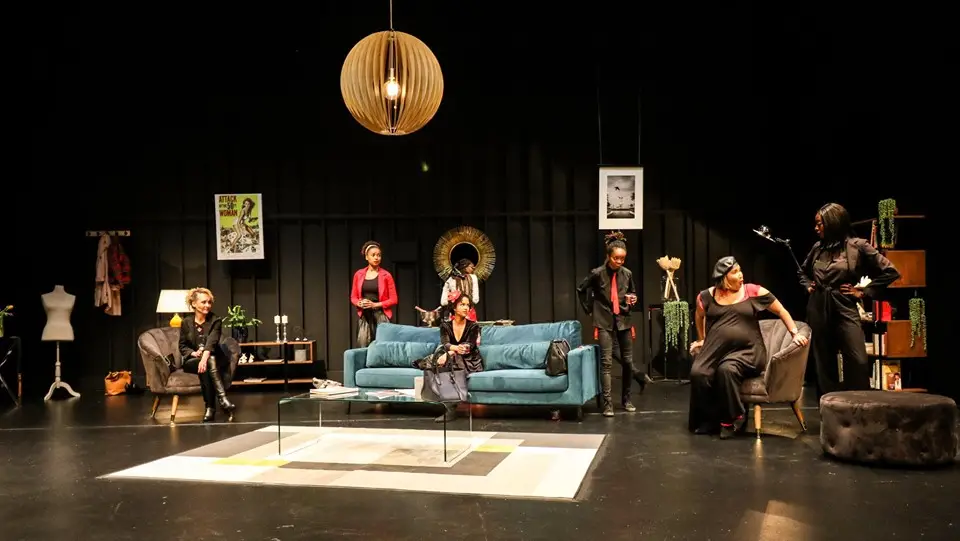

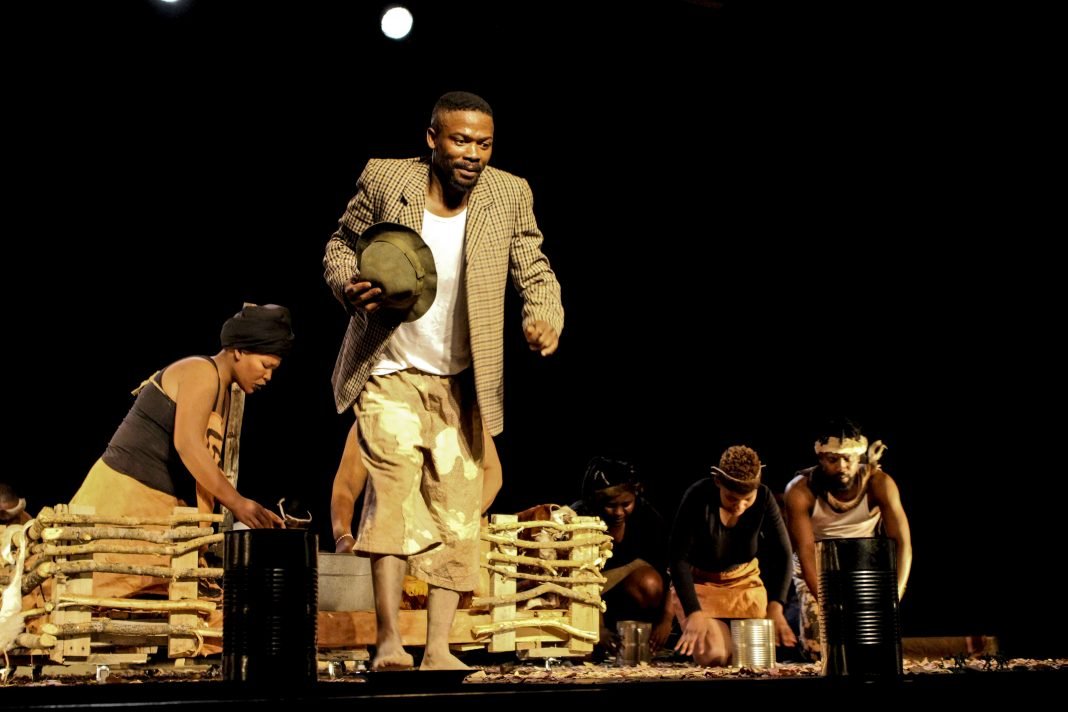
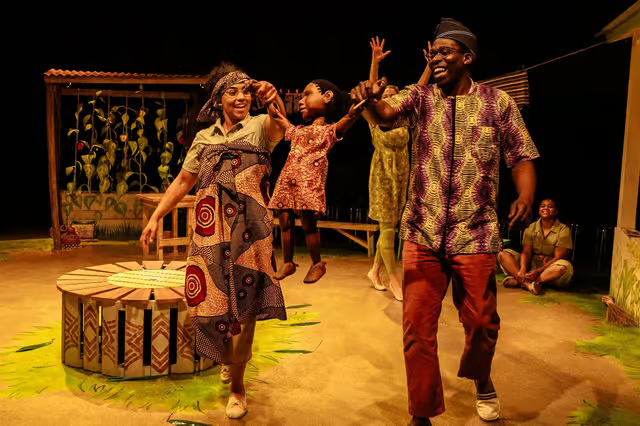
African Theatre: The Stage of Identity, Culture, and Global Storytelling
African theatre has long been a mirror of the continent’s struggles, triumphs, and dreams. Rooted in oral traditions, music, dance, and performance, theatre in Africa has served not just as entertainment, but as a vehicle for truth, resistance, and cultural preservation. It is through this living art form that Africa has shared its history—from the painful days of colonialism and slavery to the vibrancy of independence and the creativity of the modern era.
Storytelling as Resistance and Identity
Theatre has always been Africa’s way of telling its own story in its own voice. During colonial rule, playwrights used theatre to challenge oppression and awaken consciousness. After independence, plays became platforms for dialogue about identity, nation-building, corruption, and social change. Today, African theatre blends tradition with modernity, often fusing indigenous performance styles with contemporary staging, creating a unique identity that resonates both locally and globally.
Legendary Playwrights and Their Works
Some of the continent’s most powerful voices have come through theatre.
Wole Soyinka (Nigeria) – Nobel Laureate and pioneer of modern African theatre. His play Death and the King’s Horseman (1975) explores the clash between Yoruba traditions and British colonial authority, becoming one of the most significant African plays ever written.
Ngũgĩ wa Thiong’o (Kenya) – A literary giant whose play The Trial of Dedan Kimathi (co-written with Micere Githae Mugo, 1976) dramatized the Mau Mau rebellion, showing the resilience of Kenyan resistance.
Ama Ata Aidoo (Ghana) – With works like Anowa (1970), she challenged patriarchy, colonial legacy, and identity through deeply African feminist lenses.
Femi Osofisan (Nigeria) – Known for plays like Once Upon Four Robbers (1980), he often used satire and allegory to critique corruption and inequality in postcolonial Africa
Athol Fugard (South Africa) – His apartheid-era plays, such as Sizwe Bansi is Dead (1972) and Master Harold…and the Boys (1982), brought global awareness to South Africa’s racial struggles.
Plays That Shape the Future
Theatre in Africa continues to evolve, with contemporary playwrights blending history and modern issues—migration, gender, youth identity, and globalization. Emerging works are not only staged in Africa but also on international platforms, creating cultural bridges and drawing global attention to Africa’s creativity.
At AFROVISION X in Canada, audiences will experience a celebration of these stories. Staged readings, performances, and discussions will highlight how African theatre continues to shape global consciousness. From Soyinka’s timeless wisdom to Aidoo’s fearless feminism, from Fugard’s anti-apartheid legacy to today’s vibrant new voices, the showcase will underline theatre’s role as Africa’s moral compass and cultural torch.
Why African Theatre Matters
Theatre is more than performance—it is memory, history, and prophecy. It reminds us where we come from, challenges us to face our present, and inspires us to imagine new futures. In bringing African theatre to the world stage, AFROVISION X will shine a light on the true African story: one of resilience, authenticity, and boundless creativity.